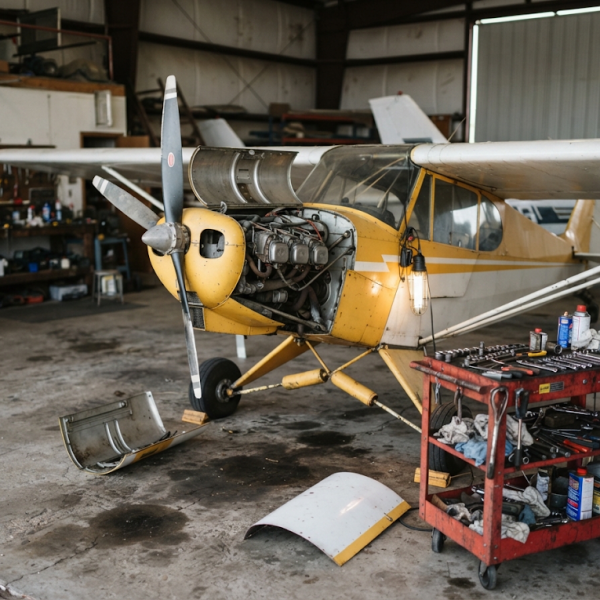
An aircraft has two lives: the one in the air and the one on paper. Every flight hour, every repair and every replaced part is recorded in logbooks, certificates and inspection reports, and an aircraft without a clean paper trail is worth far less than one with it. A large number of aircraft built in Russia and the former Soviet Union, from regional turboprops to helicopters, now fly or are sold in other countries. Their buyers, insurers and engineers need to read the records in English. In aviation a missing line in a logbook can ground an aircraft, so translation here is not a convenience but a safety and compliance task. This guide explains how owners, operators and maintenance companies can handle Russian aviation documents in English.
The Documents That Follow an Aircraft
A typical file includes the airworthiness certificate, registration papers, the aircraft logbook, engine and propeller logs, maintenance programmes, work orders, inspection reports, lists of components with serial numbers, service bulletins and records of modifications. Buyers also request import and export papers, insurance policies and accident or incident history. Each document has a specific purpose and must be read exactly.
Why Exactness Matters
Numbers carry the meaning: flight hours, cycles, dates of inspection, torque values and part numbers. A translator who changes a figure, drops a stamp or misreads a handwritten entry can cause a serious error. Originals are often scanned, with faded stamps and handwritten notes, so translators must work from good copies and mark every unreadable line instead of guessing.
Regulators and Standards
Authorities in different countries use different forms and terms, and an aircraft moving from one register to another must satisfy the receiving authority. The European Union Aviation Safety Agency explains many of these requirements at easa.europa.eu, and national authorities publish their own guidance. Ask the regulator whether translations must be certified and who may approve them. Never assume that an informal translation will be accepted.
Specialist Translators
Technical aviation texts need people who understand mechanics and regulation. For documents that will be submitted to an authority, buyers often seek a russian certified translation with a signed statement of accuracy, together with a technical reviewer who checks terminology. Provide manuals and previous translations so that the vocabulary stays consistent across the whole file.
Manuals, Bulletins and Procedures
Maintenance manuals describe steps, tools and warnings. A warning must stay a warning, and the order of steps must not change. Use short sentences, standard verbs and the same names for components throughout. Include illustrations with translated labels, and verify that numbers on the pictures match the text. For other technical examples, see this article on Russian to English translation.
Pilots, Crews and Training
Training material, flight manuals and checklists are used in the cockpit. Their language must be unambiguous. Crews who speak different languages need a common vocabulary for emergencies, and international rules require English for radio communication. Check that translated checklists fit the actual aircraft configuration, and test them in a simulator or on the ground before use.
Purchase and Lease Agreements
When an aircraft is sold or leased, contracts specify the condition, the documents to be delivered, warranties, inspections and remedies. These agreements are long and legal, and both parties should read them in a language they understand. Have lawyers review the final text, and keep an agreed English version as the working copy. Describe the aircraft and its equipment with the exact identifiers used in the registration papers.
Customs, Import and Export
Aircraft and parts crossing borders need customs declarations, certificates of origin and export approvals. Errors in descriptions, values or codes can delay shipments. Prepare a standard set of translated documents, and keep a checklist for each country. If parts are shipped separately, make sure the paperwork identifies each item and links it to the aircraft record.
Spare Parts and Supply Chains
Operators of older aircraft rely on a network of suppliers. Catalogues, drawings and part lists have to be matched across languages, since the same part may have different names. Create a cross-reference table with Russian and English names and part numbers, and keep it updated. This table can save hours when an urgent repair is needed.
Archives and Digital Records
Scan documents at high resolution, name files consistently and store translations next to the originals with version dates. Record who translated and who reviewed each file. Back up the archive in two places, since lost records are very hard to recreate.
Plan Before the Purchase
If you are buying an aircraft, ask for the full documents early and start translation as soon as the due diligence begins. Prioritise the logbooks, airworthiness papers and major repair records. A clear, accurate English file gives engineers, lawyers and insurers the confidence to make a decision, and it keeps the aircraft where it belongs, safely in the air.
Insurance and Valuation
Insurers and valuers read the same logbooks as engineers, and they look for gaps, repeated defects and overdue inspections. Provide a complete translated record with a short English summary of key events, such as major repairs, engine overhauls and accidents. A clear summary does not replace the full file, but it helps the reader find what matters quickly.
Handwriting, Stamps and Seals
Old records contain handwriting, rubber stamps and signatures. Describe each stamp in square brackets, for example the name of the inspecting organisation, and flag illegible entries instead of filling them in. Keep a table of abbreviations used by the original maintenance shops, so that later readers can interpret the file as the translator did.