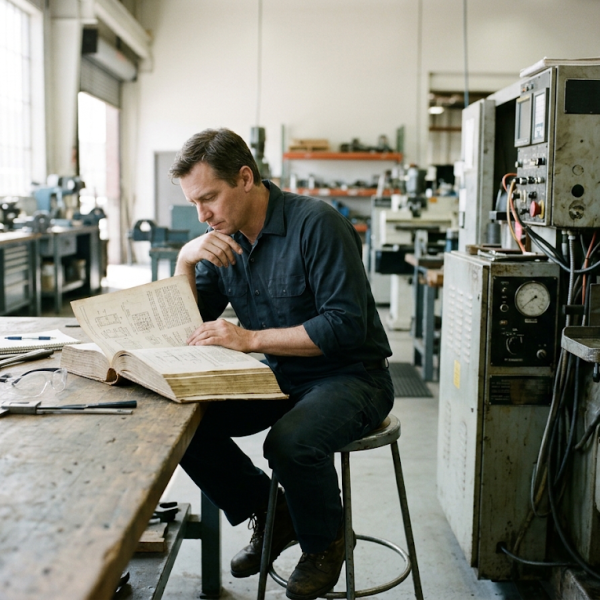
A technical manual is only useful if the person holding it can follow every step without hesitation. When the same manual must serve customers in another country, the stakes grow quickly, because one wrongly translated warning or measurement can lead to damaged equipment, failed inspections or even injuries. Companies that export machines, tools or software often treat translation as a last task before shipping, and they pay for that decision later in support calls and returns. Precision in a manual comes from planning the translation early, using consistent terminology and involving specialists who understand the subject. The following guide explains how to protect the accuracy of technical documents when they cross language borders.
Why Technical Translation Is Different
General translation allows some freedom, but technical writing does not. Every term has a defined meaning, every unit of measure must be correct and every instruction must lead to the same action in any language. A translator working on a manual has to understand the machine, the process and the safety logic behind each sentence. Literal word choices often fail, since the same English noun may have three different equivalents in German depending on the context. Specialist translators build their knowledge over years, and they know when to ask the engineer a question instead of guessing an answer.
Start With a Clean Source Document
The quality of a translated manual depends on the original. Short sentences, active verbs and consistent names for each part make the text easier to translate and easier to read. Avoid idioms, jokes and vague phrases such as "a little later" or "quite hot", which have no exact meaning. Give every component one name and use it everywhere. If the source text contains inconsistent terms, the translation will multiply the confusion, and every extra language will carry the same flaw. Many companies find that a careful rewrite of the source reduces translation costs and produces a better product in all markets.
Build a Glossary and a Style Guide
A glossary lists the approved terms in the source language and in each target language. It should include part names, error messages, interface labels and common phrases from your industry. A style guide adds rules for tone, formatting, units and the way to address the reader. Together they keep the work consistent between translators, between documents and between product versions. When a new model appears, the team can reuse approved wording and spend time on what has really changed. Translation memory tools support this process by storing earlier segments, which also lowers costs on repeated content.
Standards, Safety and Compliance
Manuals are often governed by rules, including requirements for safety warnings, symbols and layout. International standards bodies such as the International Organization for Standardization publish guidance that affects the way instructions are written and presented. Products sold in the European Union must also respect local labelling and documentation obligations. For German speaking markets, a provider of german translation agency can adapt the content to the expectations of engineers and operators, from terminology to the format of dates and decimals.
Layout, Graphics and Text Expansion
Translated text is rarely the same length as the original. German words can be long, and some languages expand by thirty percent or more, which breaks tables, captions and buttons designed for the shorter version. Leave space in the layout, avoid putting text inside images and send editable files rather than flat PDFs. Diagrams should use numbered callouts that can be replaced easily. A desktop publishing specialist can then fit the new text into the design while keeping the pages tidy, which saves the client time before printing or publication.
Review by Experts Before Release
Even a skilled translator benefits from a second pair of eyes. A technical reviewer, ideally a native speaker who works in the field, checks terms, numbers and the logic of each procedure. For those who plan work between English and German, this overview of what to expect from German to English translation explains typical challenges and how professionals solve them. Whenever possible, let a few real users test the instructions on the machine itself, since they will quickly show whether a step is unclear or an image is confusing.
Plan for Updates and Maintenance
Products change, and manuals must change with them. Keep files organised, record each version and tell the language team about updates as early as possible. Mark changed paragraphs so only those need to be translated again. Store approved translations in a shared system and agree on response times for urgent safety notices. When translation is treated as part of product development rather than an afterthought, manuals stay accurate, support teams receive fewer complaints and customers trust the brand in every language they speak.
Measuring the Result
After release, collect feedback from distributors, service engineers and customers. Track support tickets that mention unclear instructions and compare them across languages, because a spike in one market often points to a translation problem. Use these findings to update the glossary and improve the next edition. Small corrections made regularly are cheaper than a full revision, and they show customers that the company takes every language seriously.