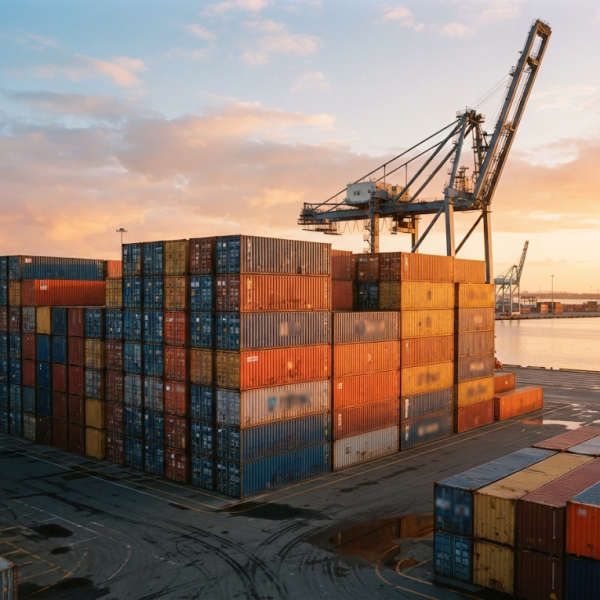
A container can sit at a port for days because of one wrong digit. The customs declaration says one thing, the commercial invoice says another, and the officer has to decide whether the goods match the paperwork. For importers and exporters who trade with Brazil, Portugal or Angola, those papers often move between English and Portuguese several times before a shipment is released. Customs documents are checked against each other, so every translated value, product description and code must match the original and the other papers in the file. This guide explains how to keep import and export paperwork consistent across languages.
The Core Documents
Most shipments involve a commercial invoice, a packing list, a bill of lading or air waybill, a certificate of origin and a customs declaration. Depending on the goods, there may also be licences, safety certificates, phytosanitary or health certificates and test reports. These documents are produced by different parties, often in different languages, and must tell the same story about quantity, value and origin.
Descriptions Decide the Duty
The description of goods links to a tariff code that sets the duty and the rules that apply. A vague or inaccurate description can lead to a wrong classification, delays or penalties. The translator should keep the precise wording of the product, including materials, function and model numbers, and should not replace a technical term with a general one. The World Customs Organization provides information on the harmonised system and customs practice at wcoomd.org, which is a useful reference for classification terms.
Numbers, Units and Currencies
Weights, volumes, quantities and values appear in every document. Confusing kilograms and pounds, or mixing decimal separators, can distort the value of a shipment. Keep the original figures, and add conversions only as notes. Show the currency clearly, and make sure that the exchange rate used for the declaration is documented. A tiny difference between the invoice and the declaration can trigger an inspection.
Trade With Portuguese-Speaking Markets
Brazil has a large and complex import system, with its own documents, taxes and terminology, and Portugal, Angola and Mozambique each have their own rules. Terms for customs procedures differ between Brazilian and European Portuguese, so the translator needs to know the target country. A provider of portuguese document translation services can adapt invoices, certificates and declarations for the correct market and keep the format familiar to the customs officer reading them.
Certificates, Stamps and Signatures
Certificates of origin and health certificates carry stamps, seals and signatures, and sometimes legalisation. The translation should describe each of these elements, such as "stamp of the chamber of commerce" or "handwritten signature", so that the officer can match them with the original. Never alter or remove anything from the original. If a certificate must be legalised or apostilled, do it before the translation, so that the legalisation can be described as well.
Labels and Product Information
Many countries require labels in the local language, with details such as the importer, composition, usage instructions and warnings. If your product is sold to consumers, check the rules for labels and manuals before shipping. For more on how product information rules affect translation, read this guide on GPSR translation requirements, which explains what must be provided in which language for products on the European market.
Work With Your Customs Broker
A broker knows the practical rules, and they can tell you which documents must be translated, in what form and by when. Share draft documents early, and ask for feedback on the translated versions. A good broker will also warn you about common mistakes in a market, such as a missing tax number or the wrong format for dates.
Keep the File Consistent
Create a single master data sheet for each shipment, with the names, addresses, product descriptions, codes, quantities and values. Use it to prepare all documents and translations, so that each paper uses the same information. When something changes, update the sheet first and then every document. This simple habit prevents the most common mismatches.
That master sheet should also cover the tax and accounting papers that travel with every shipment, from the commercial invoice to the customs value declaration. Professional business translation services translate those financial documents as part of the same file, keeping the declared value, the tax terms and the company details identical on every page an officer checks. When the whole file agrees, customs clearance stops being a negotiation and becomes a formality.
Timing and Urgency
Storage fees and delays add up quickly. Agree with your translation partner on fast turnaround for shipping documents, and give them complete files with clear originals. Scanned documents of poor quality lead to errors, so provide clean copies. Keep digital copies of everything in a folder for the shipment, in case an authority asks for evidence later.
Confidentiality and Compliance
Trade documents contain prices, supplier names and customer details. Use providers who sign confidentiality agreements and keep files secure. Also be careful with sanctions and export controls, since some goods and destinations are restricted. Your compliance team should review documents before they are sent.
Build a Reusable Glossary
Companies that ship the same products repeatedly benefit from a glossary of product names, materials and standard phrases, with approved translations. It speeds up each shipment, ensures consistency and reduces the risk of disputes with customs. Over time it becomes a valuable asset for the whole logistics team.